What Is UV DTF? A Quick Answer
UV DTF (ultraviolet direct-to-film) is a printing method that produces peel-and-stick transfers for hard surfaces such as tumblers, glass, wood, metal, acrylic, and plastic. Unlike regular DTF transfers, UV DTF requires no heat press. You peel the transfer, press it onto a clean surface, burnish it firmly, and remove the carrier film. The result is a permanent, textured, waterproof graphic that bonds directly to the object.
The short version: regular DTF goes on fabric with heat. UV DTF goes on hard surfaces with pressure. They are not interchangeable, and knowing which one a project needs is the single most common question we answer.
UV DTF vs Regular DTF vs Vinyl
| UV DTF | Regular DTF | Adhesive Vinyl | |
|---|---|---|---|
| Surface | Hard, non-porous (glass, metal, acrylic, wood, plastic) | Fabric (cotton, polyester, blends) | Hard and smooth |
| Equipment needed | None. Hands and a squeegee | Heat press | Cutting machine plus weeding tools |
| Color limits | Full color, gradients, photographic detail | Full color | One color per layer |
| Weeding required | No | No | Yes, and it is slow |
| Finish | Slightly raised, textured, permanent | Soft, flexible, part of the garment | Flat, can lift at edges over time |
| Removable | No, it is permanent | No | Usually yes |
The practical takeaway: if the item is soft, you want ready to press DTF transfers. If the item is hard, you want UV DTF transfers.
What Surfaces Do UV DTF Transfers Work On?
UV DTF bonds best to clean, non-porous surfaces. In order of how reliably they perform:
- Excellent: stainless steel tumblers, glass cans and jars, acrylic, powder-coated metal, sealed wood, ceramic, hard plastic, PVC, leather-look vinyl
- Good with prep: raw wood (seal it first), matte-coated surfaces, silicone-wrapped bottles (test a corner)
- Not recommended: fabric of any kind, unsealed porous wood, anything flexible enough to bend sharply, surfaces treated with a non-stick or oil-repellent coating
The deciding factor is not the material name, it is whether the surface is smooth and free of oils. A quick wipe with isopropyl alcohol solves most adhesion problems before they start.
How to Apply UV DTF Transfers in Five Steps
- Clean the surface. Wipe with 70 percent or higher isopropyl alcohol and let it dry completely. Skipping this step causes the majority of failed applications.
- Remove the backing. Peel the transfer away from its paper backing, leaving the design attached to the clear top carrier film.
- Position and tack down. Line the design up before it touches. UV DTF grabs on contact and does not reposition. Press the center down first, then work outward to push air toward the edges.
- Burnish firmly. Use a squeegee, a credit card, or your thumb, and go over every part of the design with real pressure for 30 to 60 seconds. Curved items like tumblers need extra attention at the top and bottom edges.
- Remove the carrier film slowly. Peel back at a sharp angle, close to flat against the surface. If any part of the design lifts with the film, lay it back down, burnish that spot again, and try once more.
Cure time: let the item sit 24 to 72 hours before heavy use, washing, or shipping. The adhesive continues to build strength during that window.
40+ UV DTF Project Ideas That Actually Sell
Drinkware and Tumblers
- 20 oz and 30 oz stainless tumblers with a full wrap design
- Glass can cups, the single fastest-moving UV DTF item we see
- Beer steins, wine glasses, and stemless wine tumblers
- Water bottles with names, monograms, or team logos
- Coffee mugs, travel mugs, and French presses
- Cocktail shakers and bar tools
Weddings and Events
- Bridal party glassware with each person's name and role
- Welcome sign acrylic panels
- Table number blocks and place card holders
- Favor tins, candle jars, and mini bottle labels
- Cake serving sets and toasting flutes
- Guest book keepsake boxes
Holiday and Seasonal
- Acrylic and wood Christmas ornaments
- Halloween candy buckets and treat pails
- Easter basket name plates
- Valentine's Day glass cans and gift boxes
- Fourth of July coolers and cornhole boards
- Thanksgiving serving trays and charcuterie boards
Business and Branding
- Branded tumblers for client gifts and employee onboarding kits
- Laptop and hard-case decals for conferences
- Toolboxes, hard hats, and equipment cases
- Salon station mirrors and product jars
- Restaurant menu boards and reusable cup programs
- Vehicle window and toolbox logo decals
Home and Everyday
- Pantry and spice jar label sets
- Cutting boards and utensil crocks
- Planters, watering cans, and garden markers
- Light switch plates and door signs
- Storage bins and craft room organizers
- Picture frames and shadow boxes
Higher-Margin Niches
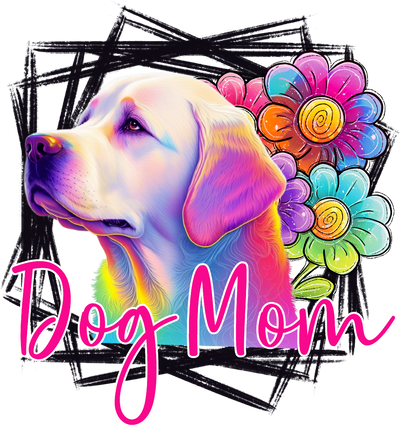
- Pet bowls, treat jars, and pet ID tags
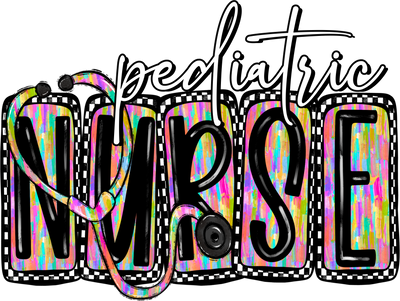
- Nurse and teacher badge reels and clipboards
- Golf, fishing, and hunting gear including tackle boxes and rangefinder cases
- Gym shakers and supplement tubs
- Phone cases and pop sockets
- Firefighter, EMS, and military unit gear
- Vinyl record display frames and instrument cases
- RV, boat, and camper accessories
Pricing UV DTF Products for Profit
Most makers underprice UV DTF because the application is so fast. Price on the finished product, not the minute of labor. A workable structure:
- Cost of goods: blank item plus transfer cost plus packaging
- Multiply by 3 for retail at craft fairs and direct-to-consumer
- Multiply by 2 for wholesale and bulk orders over 25 units
- Add a setup fee for custom artwork rather than absorbing design time
A 20 oz tumbler that costs you a few dollars in blank plus transfer typically supports a retail price in the $25 to $35 range, and personalized versions support more. If you sell apparel too, our custom shirt pricing calculator uses the same logic and will save you the spreadsheet work.
Buying UV DTF: Sheets, Singles, and Gang Sheets
Three ways to buy, depending on where you are:
- Pre-made UV DTF designs. Best for testing what sells. Browse our UV DTF transfers and stickers collection for ready-to-ship designs.
- Custom single transfers. Upload your own artwork at the size you need through our custom UV transfer option.
- UV DTF gang sheets. The cheapest per-design route once you are ordering regularly. You fill one sheet with many designs and pay for the sheet, not the piece count. See our gang sheet builder.
Common UV DTF Mistakes and How to Fix Them
- Design lifts with the carrier film. You did not burnish long enough. Lay it back down and apply firm pressure for another 30 seconds before peeling again.
- Bubbles under the design. Air got trapped because you laid the whole transfer down at once. Always start at the center and work out.
- Edges peel after a few days. The surface had oils or residue on it. Alcohol wipe first, every time.
- Design cracks on a curve. The item curved more sharply than the transfer can follow. Break large wraps into smaller sections for heavily tapered tumblers.
- Colors look dull on dark items. Order transfers with a white underlay layer, which is standard on our UV DTF but worth confirming with any supplier.
Frequently Asked Questions
What does UV DTF stand for?
UV DTF stands for ultraviolet direct-to-film. Ink is printed onto film and cured instantly with ultraviolet light rather than heat, which is what allows the finished transfer to stick to hard surfaces without a heat press.
Are UV DTF transfers dishwasher safe?
They hold up to hand washing indefinitely. For dishwashers, top-rack only, and expect gradual wear over many cycles from the combination of high heat and detergent. We recommend telling customers to hand wash, which is also standard advice for the tumblers themselves.
Do UV DTF transfers work on fabric?
No. UV DTF is for hard surfaces only. For shirts, hoodies, tote bags, and anything else made of cloth, you need regular DTF transfers applied with a heat press.
How long do UV DTF transfers last?
Indoors on a properly cleaned surface, they are effectively permanent. Outdoors, expect two to three years before ultraviolet exposure begins to fade the colors, which is comparable to quality outdoor vinyl.
Can you remove a UV DTF transfer?
Not cleanly. UV DTF is designed to be permanent. Removal usually requires heat, a plastic scraper, and adhesive remover, and it often leaves residue. Position carefully the first time.
Do UV DTF transfers need a heat press?
No. That is the main advantage over regular DTF. Application is entirely by hand pressure, which means you can start selling UV DTF products with no equipment investment at all.
What is the difference between UV DTF transfers and UV DTF stickers?
They are the same product. UV DTF stickers is the term people use for smaller decal-sized transfers, while UV DTF transfers usually refers to larger wraps and full designs. Both apply the same way.
Can I apply UV DTF over a textured surface?
Light texture is fine. Deep texture, ridges, or seams will cause the design to bridge over gaps and eventually crack. Test a small piece first if you are unsure.
Getting Started
If you have never used UV DTF, start with a handful of pre-made designs and a few glass can blanks. It is the lowest-risk way to learn the application and see which designs your customers respond to, and you do not need any equipment to do it. Browse the full UV DTF collection to see what is shipping now, and check our turnaround times if you are working toward an event date.
Questions? Our team is available Monday through Friday, 9am to 4pm EST at 352-340-4343 or through live chat.