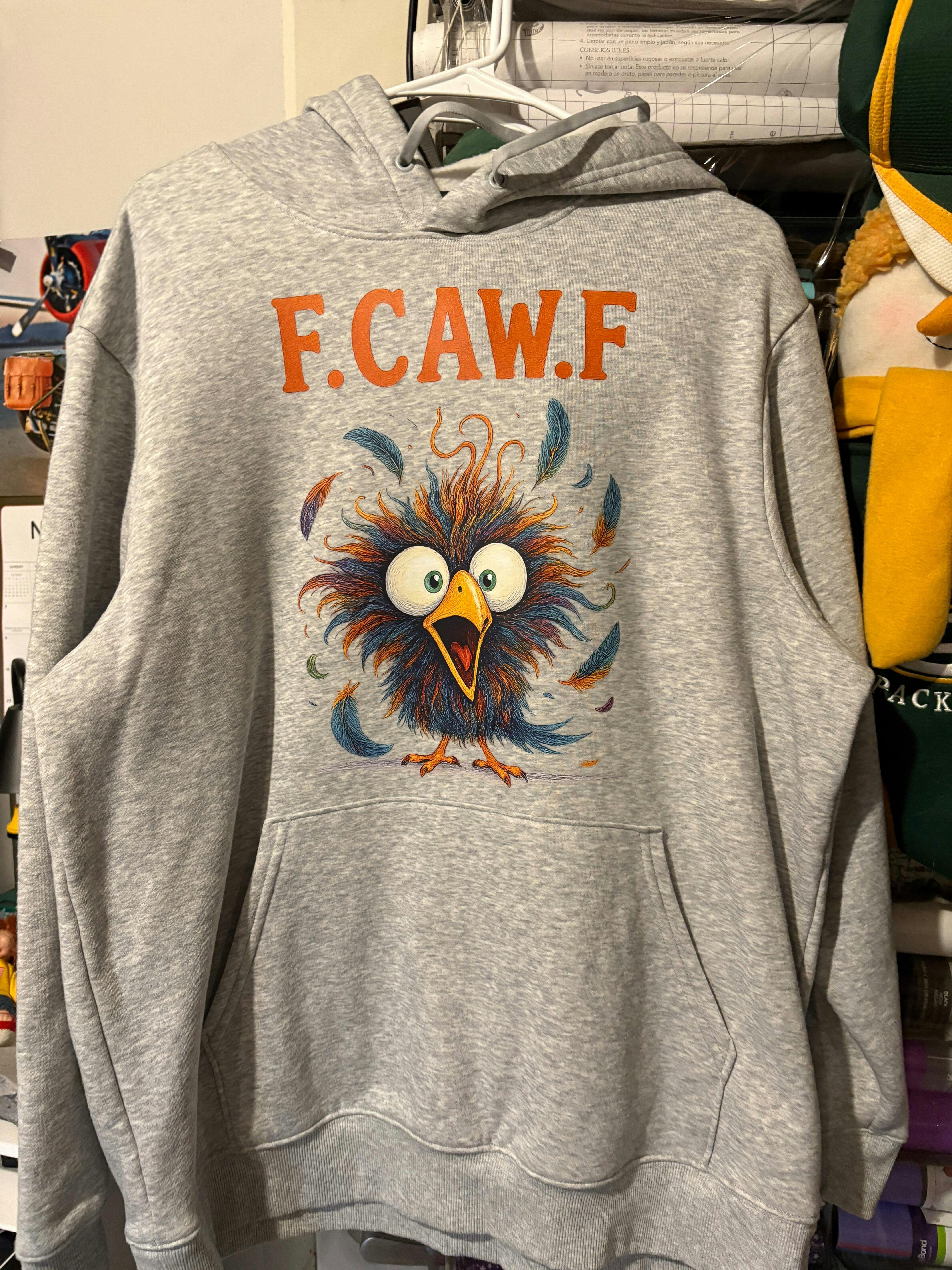
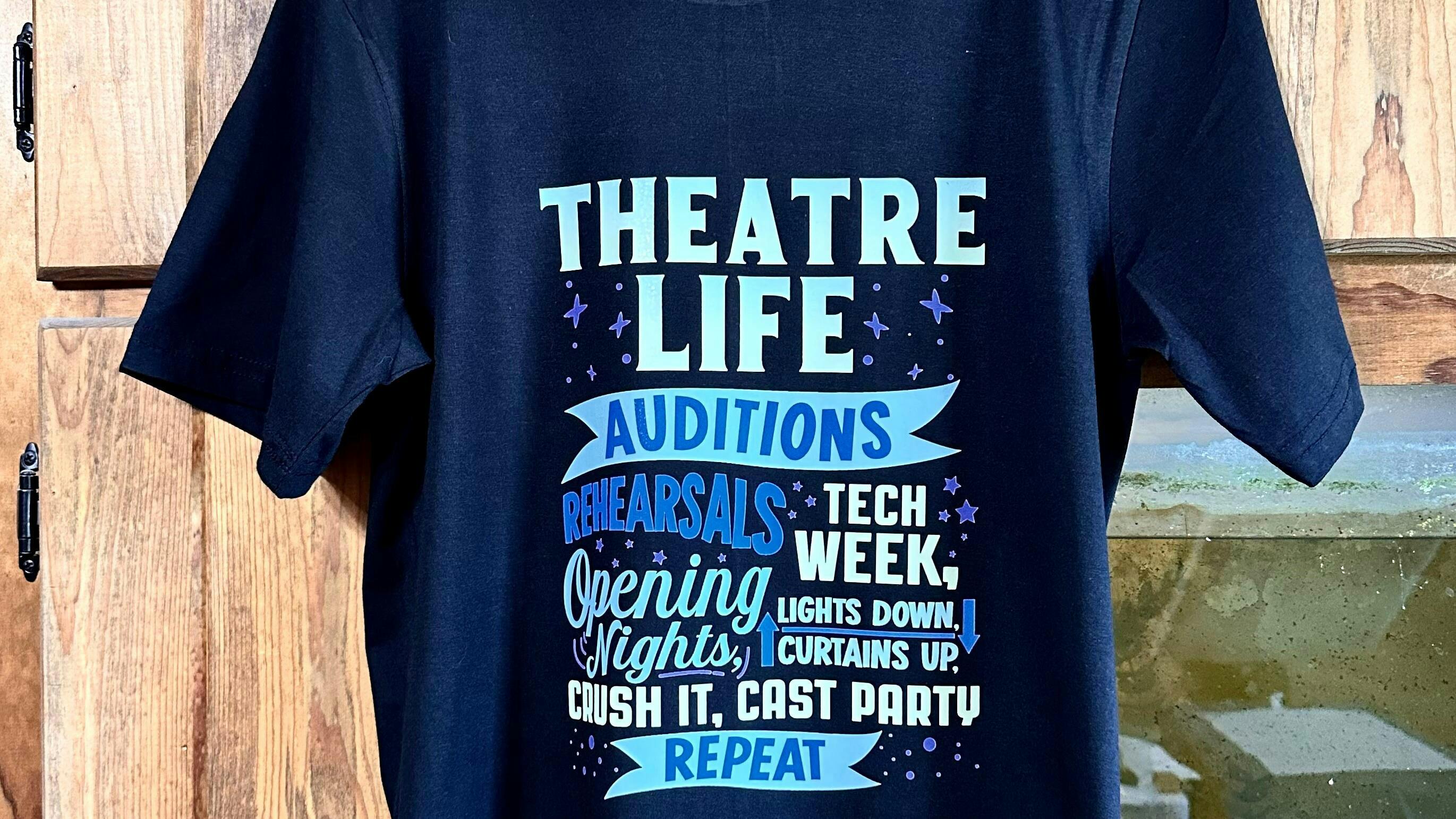
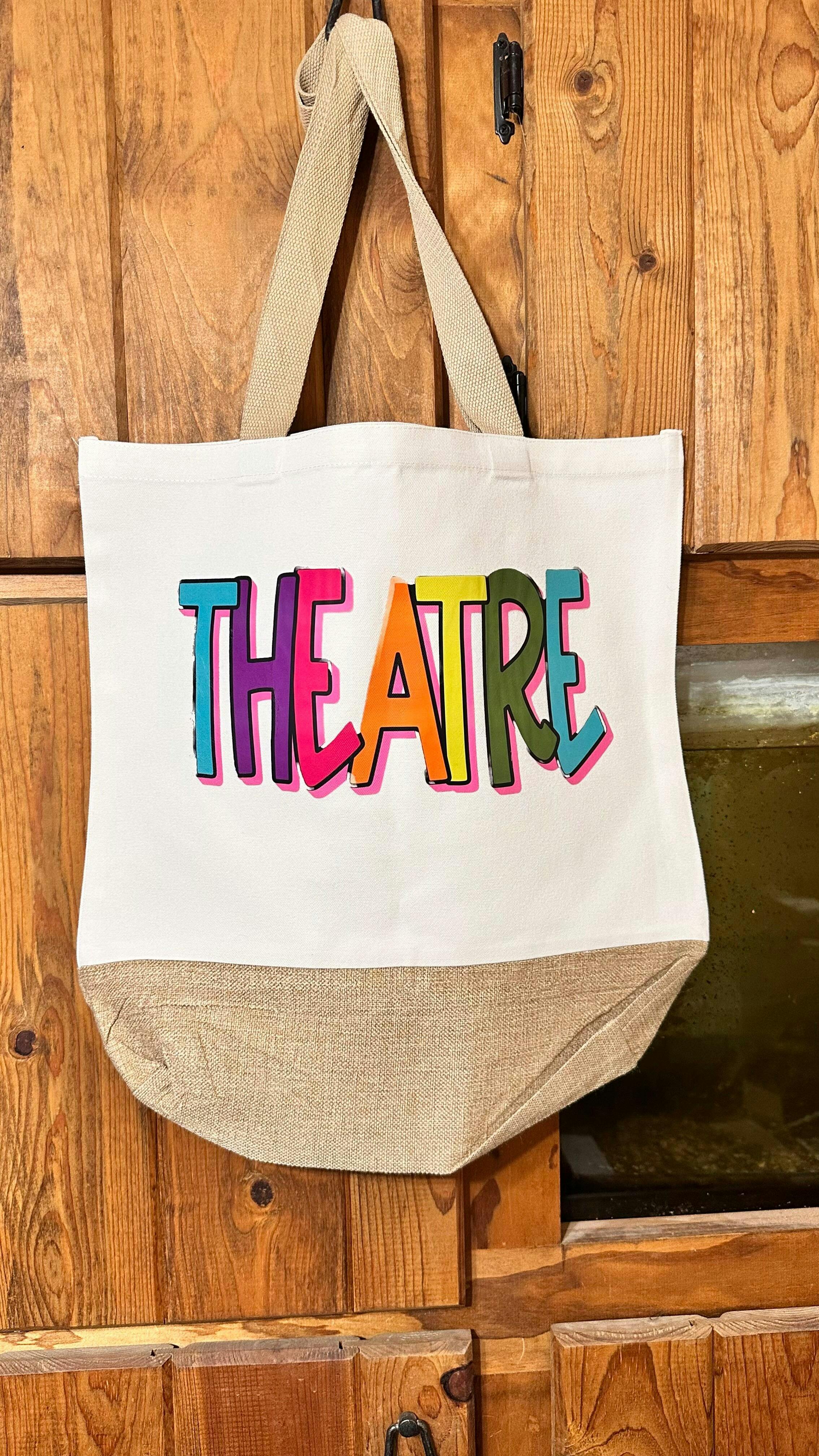
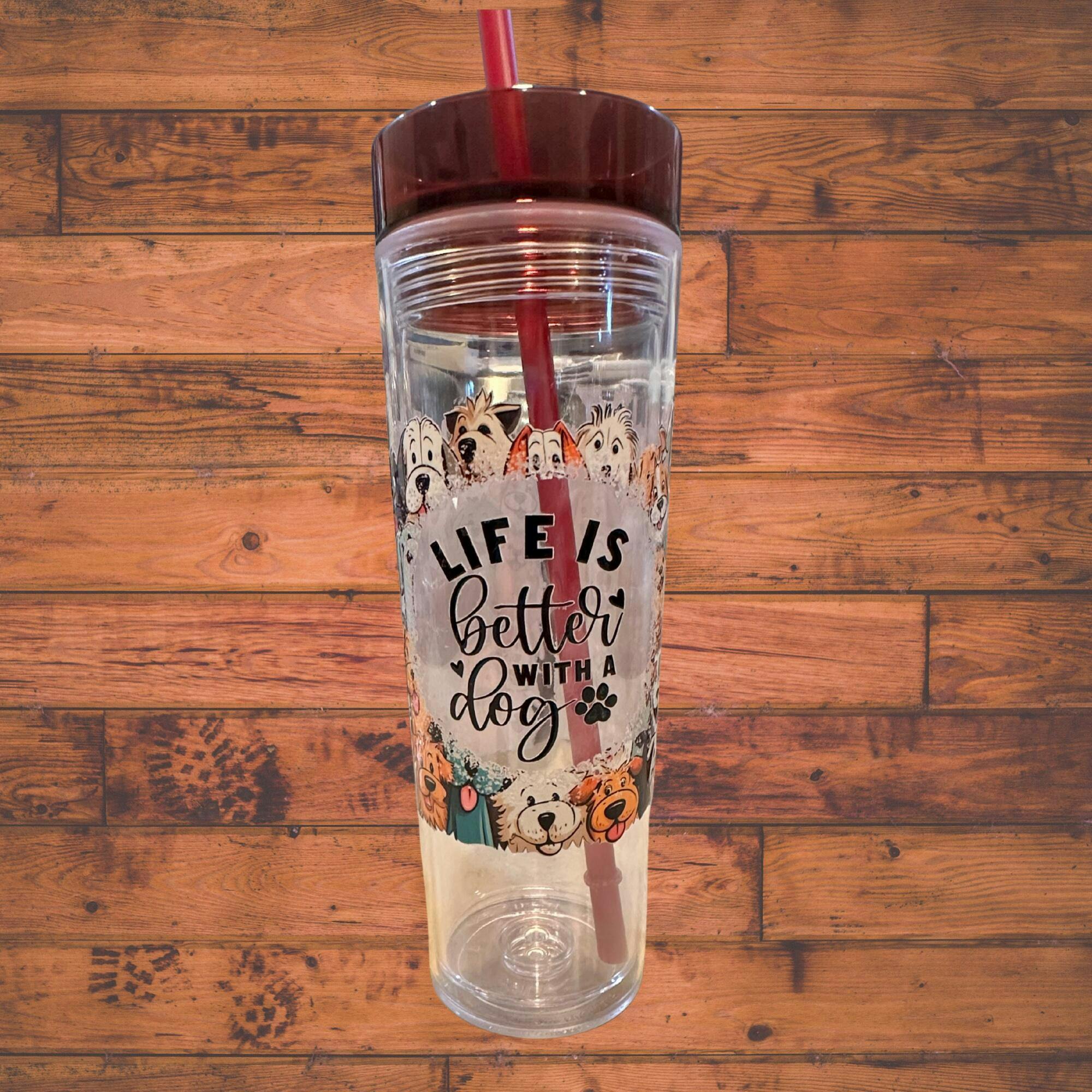
Viscose Fabric Guide: Everything You Need to Know for DTF Printing
TL;DR - Quick Answer
Can you print DTF transfers on viscose? Yes! Viscose fabric works excellently with DTF transfers. Use 280-300°F, medium pressure, for 10-15 seconds. Viscose is a soft, semi-synthetic fabric made from wood pulp that drapes beautifully and takes vibrant colors. It requires gentle care but creates premium-feeling custom apparel. Viscose blends (cotton, polyester, spandex) are even easier to work with than pure viscose.
Key Settings for DTF on Viscose:
- Temperature: 280-300°F
- Pressure: Medium
- Time: 10-15 seconds
- Peel: Warm or cold peel
- Always use a Teflon sheet and pre-press to remove moisture
If you've been browsing fabric options for your custom apparel business, you've probably come across viscose fabric. This popular material shows up everywhere—from flowy dresses and t-shirts to athletic wear and home textiles. But what exactly is viscose, and more importantly, can you successfully apply DTF transfers to it?
At We Print U Press, we work with entrepreneurs printing on all types of fabrics every day. In this comprehensive guide, we'll break down everything you need to know about viscose fabric, including how it performs with DTF transfers and what settings to use for the best results.
Table of Contents
- What Is Viscose Fabric?
- Characteristics of Viscose Fabric
- Can You Print DTF Transfers on Viscose Fabric?
- Best Practices for DTF Printing on Viscose
- Caring for Viscose Garments with DTF Transfers
- Popular Viscose Products for Custom Printing
- Troubleshooting Common Issues
- Viscose vs. Other Fabrics for DTF Printing
- Is Viscose Right for Your Business?
- Frequently Asked Questions About Viscose and DTF Printing
What Is Viscose Fabric?

Viscose is a semi-synthetic fabric made from regenerated cellulose fiber derived from wood pulp. Despite coming from natural sources like beech, pine, and eucalyptus trees, viscose undergoes significant chemical processing to transform the wood pulp into wearable fabric, which is why it's classified as "semi-synthetic" rather than fully natural.
The name "viscose" actually refers to the viscous organic liquid used during the manufacturing process. This same fabric is also commonly called "rayon" in North America, though viscose technically describes one specific method of making rayon.
Quick Facts About Viscose:
- First produced commercially in 1905
- Made from renewable wood sources
- Softer and more absorbent than polyester
- More affordable than silk with similar drape
- Global production exceeds 6 million tons annually
How Viscose Fabric Is Made
The viscose manufacturing process involves several steps:
- Wood pulp extraction: Cellulose is extracted from wood chips
- Chemical treatment: The cellulose is treated with chemicals to create a thick, honey-like solution
- Spinning: This viscous liquid is forced through a spinneret to form fibers
- Chemical bath: The fibers are solidified in a chemical bath
- Washing and finishing: The fibers are washed, bleached, and sometimes treated for specific properties
While this process is more environmentally intensive than growing and harvesting cotton, newer production methods have made viscose manufacturing more sustainable in recent years.
Characteristics of Viscose Fabric
Understanding the properties of viscose will help you work with it more effectively, whether you're sourcing blank apparel or advising your customers.
Advantages of Viscose
Soft and smooth texture: Viscose has a silky, luxurious feel that's comfortable against the skin. This makes it popular for clothing that needs to feel good during all-day wear.
Excellent drape: The fabric flows beautifully, which is why you'll often see it in dresses, skirts, and blouses. This draping quality gives garments an elegant appearance.
Breathable: Viscose doesn't trap heat the way synthetic fabrics can, making it comfortable in warm weather.
Moisture absorbent: The fabric can absorb moisture well, though it doesn't wick it away as quickly as some performance fabrics.
Vibrant colors: Viscose takes dye exceptionally well, resulting in rich, saturated colors that stay vibrant wash after wash.
Affordable: Compared to natural silk (which it often mimics), viscose is much more budget-friendly while still looking and feeling premium.
Disadvantages of Viscose
Wrinkles easily: Viscose is prone to wrinkling, which means garments may need frequent ironing or steaming.
Weak when wet: The fibers lose strength when wet, making viscose garments more delicate during washing.
Shrinkage potential: Viscose can shrink if exposed to hot water or high heat in the dryer.
Care requirements: Most viscose items require gentle washing and often recommend dry cleaning or hand washing.
Environmental concerns: Traditional viscose production involves harsh chemicals and significant environmental impact, though eco-friendly alternatives like Tencel and modal are addressing these issues.
Can You Print DTF Transfers on Viscose Fabric?
Yes, you absolutely can apply DTF transfers to viscose fabric! However, there are some important considerations to ensure successful results.
Quick Reference: DTF Settings for Viscose
Heat Press Settings:
- Temperature: 280-300°F (138-149°C)
- Pressure: Medium
- Time: 10-15 seconds
- Peel Type: Warm or cold peel (test first)
- Pre-Press: Yes, 3-5 seconds
- Protection: Always use Teflon sheet or parchment paper
- Test: Required on scrap fabric first
Best Results: Viscose-cotton or viscose-polyester blends
Why DTF Works Well on Viscose
DTF (Direct-to-Film) transfers are actually one of the better printing methods for viscose because:
- Lower temperature tolerance: DTF transfers can be applied at lower temperatures than traditional plastisol transfers, which is crucial for heat-sensitive viscose
- Gentle pressure: DTF doesn't require the aggressive pressure that some other methods demand
- No pre-treatment needed: Unlike DTG printing, DTF doesn't require chemical pre-treatment that might damage delicate viscose fibers
- Excellent adhesion: The DTF adhesive powder bonds well to the smooth surface of viscose fabric
Step-by-Step: How to Apply DTF Transfers to Viscose
Step 1: Prepare Your Workspace
- Set heat press to 280-300°F
- Gather Teflon sheet or parchment paper
- Have scrap fabric ready for testing
Step 2: Pre-Press the Garment
- Place viscose garment on heat press
- Press for 3-5 seconds to remove moisture and wrinkles
- This crucial step prevents steam and ensures better adhesion
Step 3: Position the Transfer
- Place DTF transfer face-down on desired location
- Ensure transfer is completely flat with no wrinkles
- Use heat-resistant tape if needed to secure position
Step 4: Apply Heat and Pressure
- Cover with Teflon sheet
- Press for 10-15 seconds with medium pressure
- Use even pressure across entire design
Step 5: Peel the Transfer
- Wait 2-3 seconds for warm peel (or follow transfer instructions)
- Peel carrier sheet slowly and steadily
- If transfer lifts, re-press for 3-5 more seconds
Step 6: Final Press
- Cover design with Teflon sheet
- Press for 5 seconds to set the adhesive
- Allow garment to cool completely before handling
Common Viscose Blends and DTF Printing
Pure viscose isn't always ideal for printing, but viscose blends often perform even better:
Viscose/Cotton Blends: These are fantastic for DTF transfers. The cotton adds structure and heat resistance while the viscose provides softness. These blends are some of the easiest fabrics to work with.
Viscose/Polyester Blends: Also excellent for DTF. The polyester increases durability and heat resistance, making the pressing process more forgiving.
Viscose/Spandex Blends: Common in athletic and form-fitting wear. Use slightly lower heat and less pressure to avoid damaging the stretch fibers.
Viscose/Linen Blends: These create beautiful, textured garments. Press settings similar to pure viscose work well.
Best Practices for DTF Printing on Viscose
Pre-Press Preparation
Before applying your DTF transfer to viscose:
- Pre-press the garment: Press for 3-5 seconds to remove moisture and wrinkles
- Check fabric content: Verify the exact fiber composition—blends may need different settings
- Test first: Always do a test press on an inconspicuous area or scrap fabric
- Use a Teflon sheet: This protects the viscose from direct heat and prevents shine marks
During Application
- Apply even pressure: Make sure your heat press applies consistent pressure across the entire design
- Don't over-press: Viscose can become shiny or scorched with too much heat or time
- Watch for moisture: If you see steam, you're using too much heat
- Support the fabric: Place a firm backing under thin viscose to prevent the fabric from stretching during pressing
After Application
- Allow to cool completely: Let the garment cool for at least 2-3 minutes before handling
- Inspect the transfer: Check all edges for proper adhesion
- Re-press if needed: If edges aren't fully adhered, you can do a quick 3-5 second re-press with a Teflon sheet
Caring for Viscose Garments with DTF Transfers
Educating your customers on proper care will reduce returns and increase satisfaction. Here's what they should know:
Washing Instructions
- Turn inside out: This protects both the DTF transfer and the viscose fabric
- Cold water: Always use cold or lukewarm water to prevent shrinking
- Gentle cycle: Select the delicate or gentle wash setting
- Mild detergent: Harsh detergents can damage both viscose and transfers
- No bleach: Bleach will damage viscose fibers and can discolor transfers
- Air dry or low heat: High heat in the dryer can damage viscose and potentially affect the transfer
Long-Term Care
- Store on hangers to prevent wrinkles
- Iron on low heat if needed, always on the reverse side or with a pressing cloth
- Don't iron directly over the DTF transfer
- Avoid excessive stretching when wet
Popular Viscose Products for Custom Printing
If you're looking to expand your product line with viscose options, consider these popular choices:
Women's flowy t-shirts: The drape of viscose creates that relaxed, boutique look
Tank tops: Perfect for summer collections
Dresses: Viscose's elegant drape makes it ideal for printed dresses
Kimonos and wraps: The fabric flows beautifully in these styles
Baby and children's clothing: Soft viscose blends are gentle on sensitive skin
Troubleshooting Common Issues
Transfer Won't Adhere
- Increase pressure slightly
- Ensure you're reaching the correct temperature (use a temperature gun to verify)
- Pre-press longer to remove all moisture
- Check that your DTF transfer is fresh and properly stored
Fabric Becomes Shiny
- Reduce temperature by 10-20 degrees
- Shorten press time
- Always use a Teflon sheet or parchment paper
- Consider that some viscose fabrics naturally have sheen
Design Cracks or Peels After Washing
- Ensure customer is following proper wash care instructions
- Check that initial adhesion was complete before garment was worn/washed
- Verify you're using quality DTF transfers (like those from We Print U Press!)
Fabric Puckers or Distorts
- Use lighter pressure
- Support thin fabric with a firm backing during pressing
- Don't over-press
- Allow fabric to cool completely before moving
Viscose vs. Other Fabrics for DTF Printing
How does viscose compare to other common fabrics?
Viscose vs. Cotton: Cotton is more durable and heat-resistant, making it slightly more forgiving for beginners. Viscose has a more luxurious feel and drape but requires more care.
Viscose vs. Polyester: Polyester can handle higher heat and is more durable. Viscose is more breathable and has a softer, more natural feel.
Viscose vs. Modal/Tencel: These are essentially improved versions of viscose—more sustainable production and often better durability while maintaining the soft feel.
Viscose vs. Silk: Viscose is often called "artificial silk" and mimics many of silk's properties at a fraction of the cost. Both can be printed with DTF, but silk is even more delicate.
Is Viscose Right for Your Business?
Viscose and viscose blend garments can be an excellent addition to your product lineup if:
- You're targeting customers who want soft, comfortable, boutique-style apparel
- You're willing to provide detailed care instructions to customers
- You want to offer more affordable alternatives to silk or high-end natural fibers
- You're comfortable working with slightly more delicate fabrics
Viscose may not be the best choice if:
- Your customers prioritize extreme durability over feel
- You're creating products for heavy industrial or outdoor use
- Your target market won't follow specific care instructions
- You're just starting out and want the most forgiving fabrics possible
Get Started with Viscose and DTF Transfers
Ready to start printing on viscose? At We Print U Press, we provide high-quality DTF transfers that work beautifully on viscose and all types of fabric blends. Our transfers are:
- Made with premium materials for excellent adhesion and durability
- Color-matched to ensure your designs look exactly as intended
- Available in gang sheets or individual transfers to fit your business needs
- Backed by expert support to help you succeed with every application
Need help getting started? Our team is here to support you:
- Call us: 352-340-4343 (option 2) Monday-Friday, 9am-5pm EST
- Email us: hello@weprintupress.com
- Schedule a screen share: We'll walk you through your first viscose application
We specialize in helping startup entrepreneurs succeed in the custom apparel business, and we're here to answer your questions about viscose, heat press settings, or any other aspect of DTF printing.
Frequently Asked Questions About Viscose and DTF Printing
What is viscose fabric?
Viscose is a semi-synthetic fabric made from regenerated cellulose fiber derived from wood pulp (typically beech, pine, or eucalyptus trees). It's also known as rayon and is created through a chemical process that transforms wood pulp into soft, breathable fabric with a silk-like feel.
Can you heat press on viscose?
Yes, you can heat press on viscose fabric. Use temperatures between 280-300°F with medium pressure for 10-15 seconds. Always use a Teflon sheet to protect the fabric from direct heat and test on a scrap piece first, as viscose is heat-sensitive and can scorch at high temperatures.
What temperature do you press viscose?
For DTF transfers on viscose, press at 280-300°F (the lower end of the DTF temperature range). This prevents scorching or creating shine marks on the fabric while still achieving proper transfer adhesion. Always pre-press the garment for 3-5 seconds to remove moisture before applying transfers.
Is viscose good for printing?
Yes, viscose is excellent for printing, especially with DTF transfers. The fabric has a smooth surface that allows for vibrant colors and fine detail reproduction. Viscose takes dye well and produces rich, saturated colors. However, it requires lower heat settings and more gentle handling than cotton or polyester.
Does viscose shrink when washed?
Yes, viscose can shrink when exposed to hot water or high heat. To prevent shrinkage, wash viscose garments in cold or lukewarm water and air dry or use low heat in the dryer. The fabric is also weaker when wet, so gentle washing cycles are recommended.
Is viscose the same as rayon?
Viscose is a type of rayon. "Rayon" is the general term for regenerated cellulose fibers, while "viscose" specifically refers to the most common production method. In North America, the terms are often used interchangeably, though technically viscose is one specific process for making rayon.
What's better for DTF printing: cotton or viscose?
Cotton is more forgiving for beginners due to higher heat tolerance and durability. Viscose creates softer, more luxurious-feeling garments with better drape. For ease of printing: cotton wins. For premium feel and appearance: viscose wins. Many printers prefer viscose-cotton blends for the best of both worlds.
Can you use DTG on viscose?
While possible, DTG (Direct-to-Garment) printing on viscose is challenging because the fabric requires pre-treatment chemicals that can damage delicate viscose fibers. DTF transfers are a better choice for viscose since they don't require chemical pre-treatment and use lower temperatures.
How do you care for viscose with DTF transfers?
Turn garments inside out, wash in cold water on a gentle cycle with mild detergent, avoid bleach, and air dry or use low heat. Don't iron directly over the transfer—iron on the reverse side or use a pressing cloth. Proper care ensures both the viscose fabric and DTF transfer last longer.
What are the best viscose blends for custom apparel?
The best viscose blends for DTF printing are viscose-cotton (adds structure and heat resistance), viscose-polyester (increases durability), and viscose-spandex (for stretch garments). These blends are more forgiving than pure viscose and handle heat pressing better while maintaining softness.
Final Thoughts
Viscose fabric offers a beautiful canvas for DTF transfers when you understand its properties and use the right techniques. The soft, luxurious feel and excellent drape make it popular with customers who want comfortable, stylish apparel. While it requires a bit more care than cotton or polyester, the results are well worth the extra attention.
Start with viscose blends if you're new to the fabric—they're more forgiving and easier to work with. As you gain confidence, you can expand to pure viscose garments for that ultimate soft, flowy feel.
Remember, every fabric has its learning curve, but with the right transfers, equipment, and knowledge, you can create stunning custom apparel on viscose that your customers will love.
Ready to order your DTF transfers? Visit We Print U Press and let's bring your designs to life on beautiful viscose fabrics!
Have questions about printing on viscose or any other fabric? Our team of experts is here to help you succeed. Contact We Print U Press today!