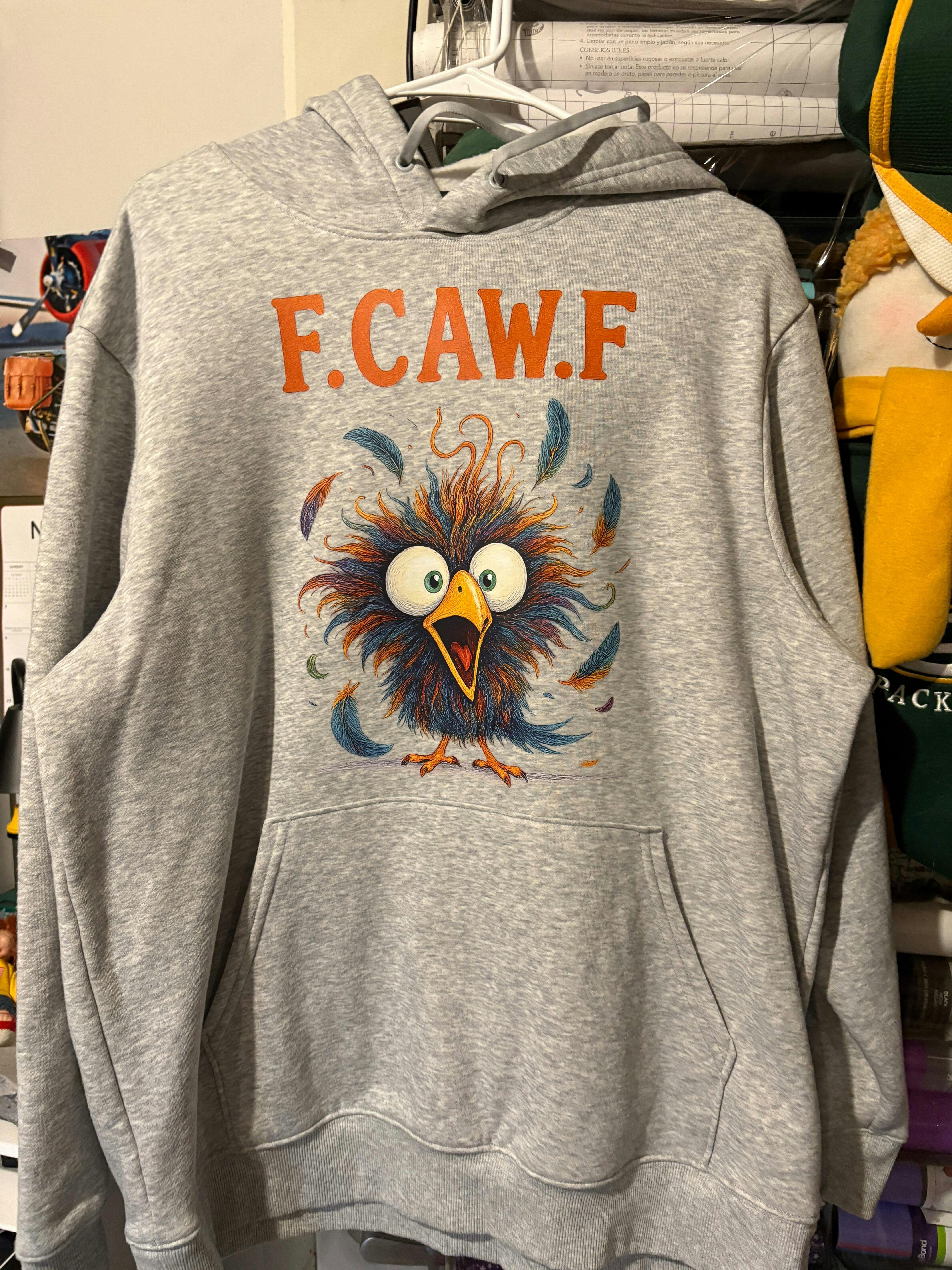
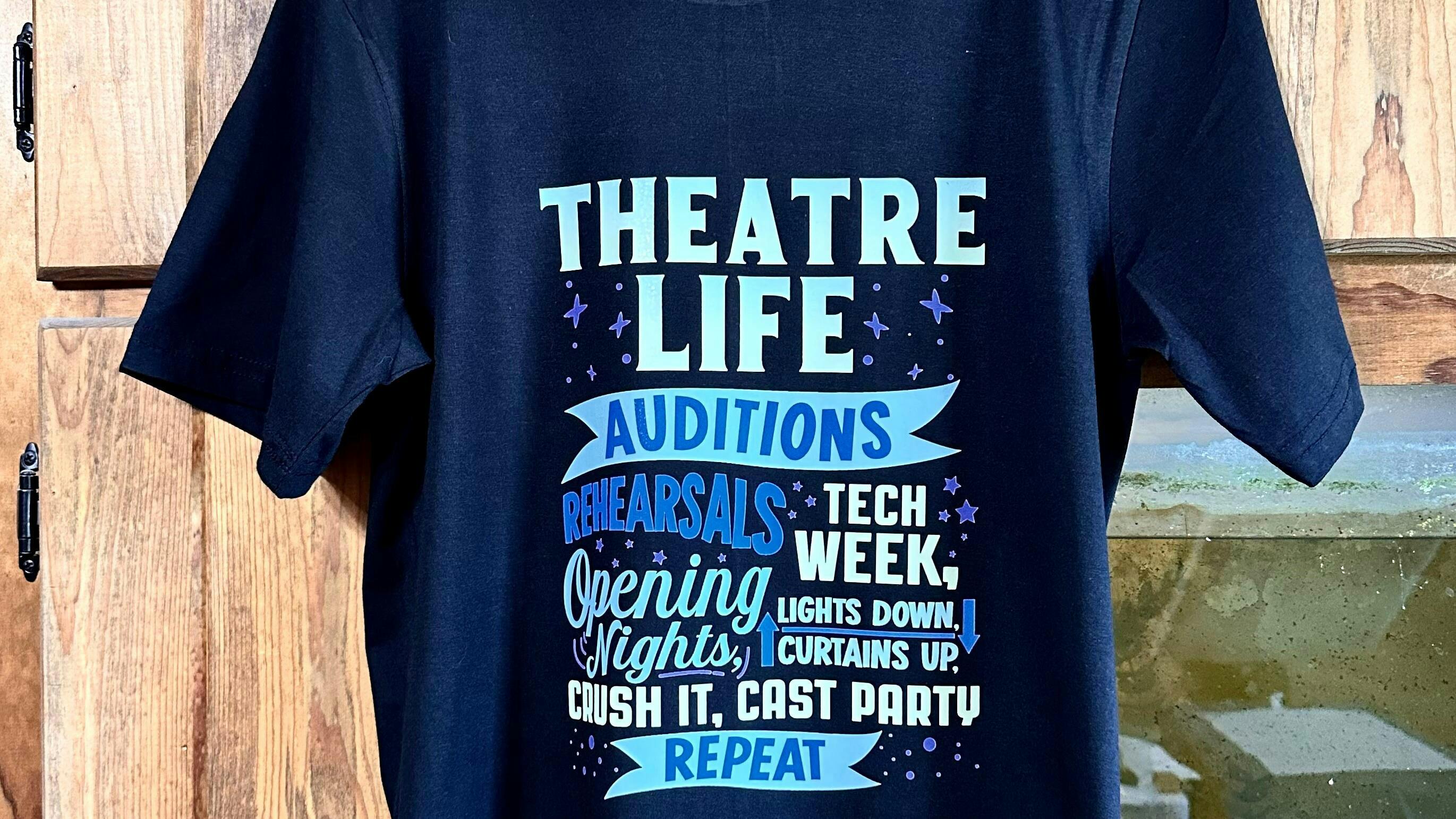
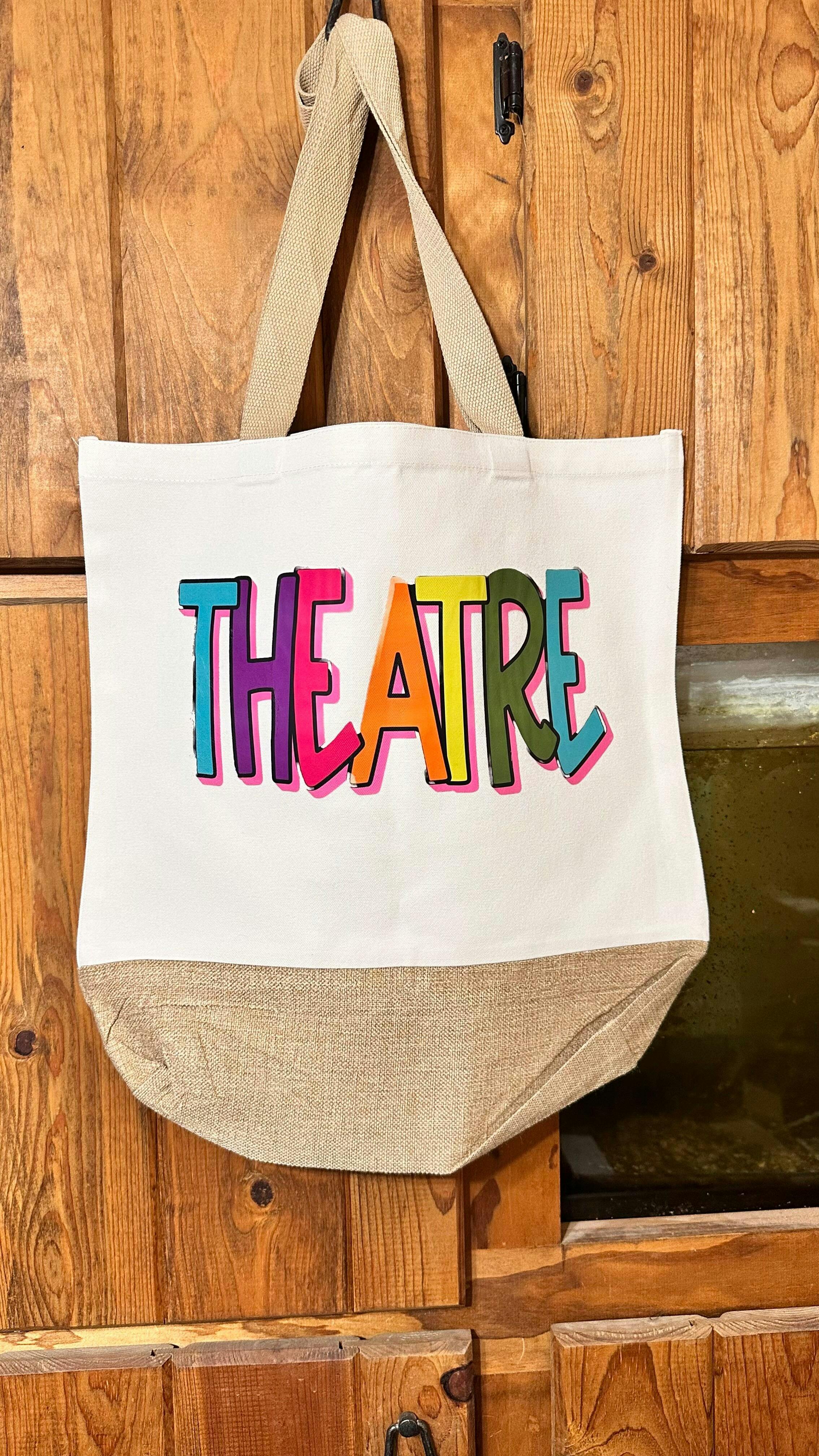
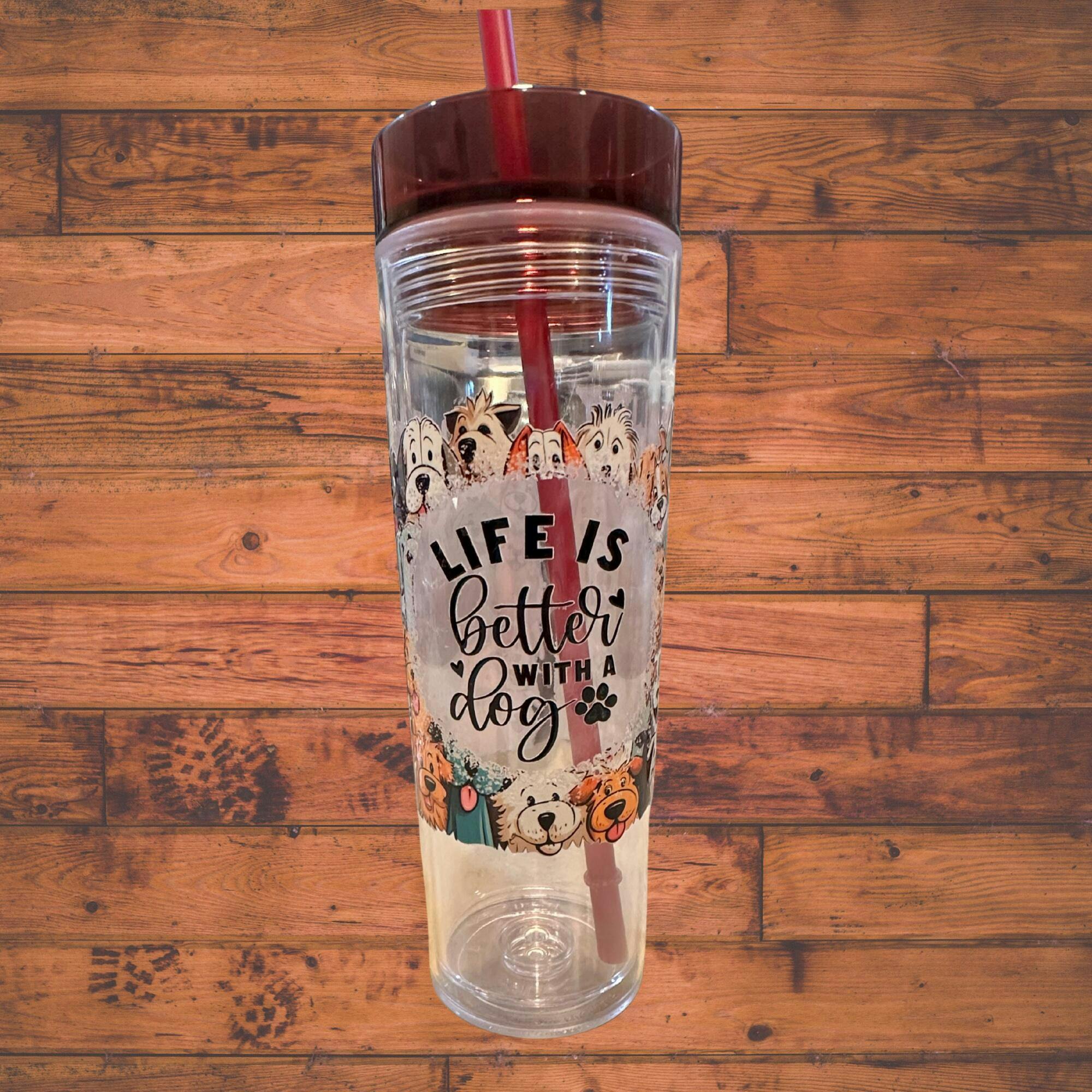
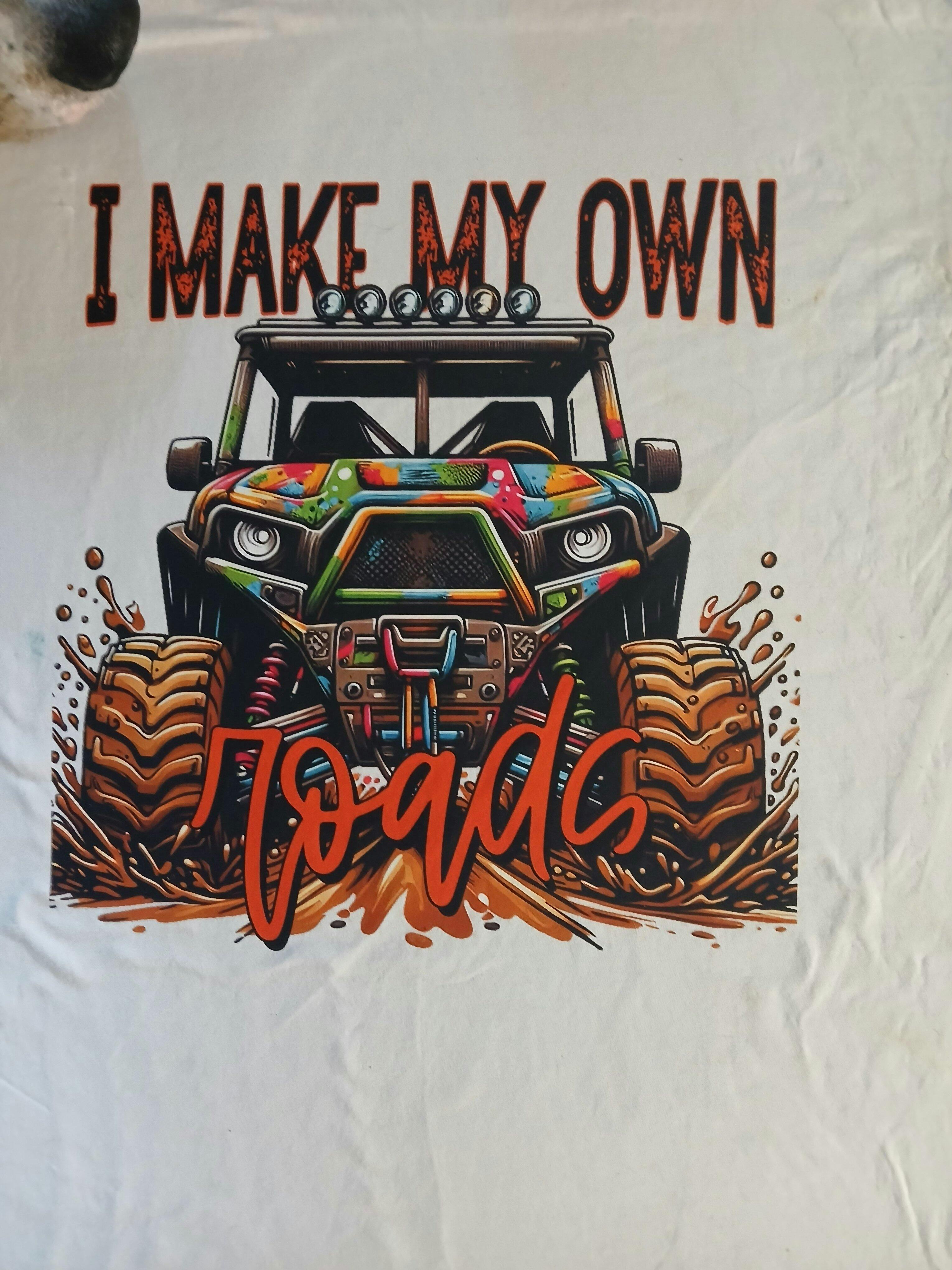
Ready to Press DTF Prints vs Vinyl: Which Should You Use?
If you're running a custom apparel business, you've likely found yourself at this crossroads: should you use ready to press DTF prints or stick with traditional heat transfer vinyl (HTV)? Both have their place in modern production, but understanding when to use each can dramatically impact your efficiency, costs, and customer satisfaction.
The choice between DTF transfers vs HTV isn't just about personal preference—it's about matching the right technology to your specific job requirements. Whether you're handling rush orders, complex designs, or simple single-color applications, this comprehensive comparison will help you make informed decisions that boost your bottom line. For more details on equipment needs, check out our complete DTF transfer guide.
What Are Ready to Press DTF Prints?
Ready to press DTF prints represent a game-changing approach to heat press transfers. Unlike traditional methods where you create transfers in-house, these arrive at your shop completely finished and ready to apply.
How DTF Prints Are Made
The DTF (Direct-to-Film) process begins with printing full-color designs onto a special PET film using water-based inks. A hot-melt adhesive powder is then applied to the wet ink, creating a transfer that bonds to virtually any fabric when heat and pressure are applied. The "ready to press" designation means all the technical work—printing, powder application, and curing—happens before the transfer reaches your shop.
What "Ready to Press" Really Means
When you receive ready to press DTF prints, you're getting a finished product that requires no additional preparation. There's no weeding, no layering multiple colors. Simply position the transfer on your garment, press according to specifications (typically 300-320°F for 10-15 seconds), and peel away the carrier film. The entire application process takes under 30 seconds per piece.
Compatible Fabrics and Equipment Requirements
DTF prints work on cotton, polyester, cotton blends, leather, denim, and even performance fabrics. Unlike sublimation, they work excellently on dark garments without any special treatment. Your equipment needs are minimal—any heat press capable of reaching 300°F with even pressure distribution will work perfectly. Learn more about optimal DTF heat press settings for best results.
Why Shops Integrate DTF with Existing Methods
Smart shop owners don't view ready to press DTF prints as a replacement for screen printing, sublimation, and vinyl—they see them as a powerful complement. DTF fills the gap between high-volume screen printing and small-run digital methods, handling complex multi-color designs that would be impractical with vinyl and small quantities that don't justify screen printing setup costs.
What Is Heat Transfer Vinyl (HTV)?
Heat transfer vinyl has been the backbone of custom apparel decoration for decades, offering a reliable method for applying designs to garments through a cut-and-press process.
The Basic HTV Workflow
The HTV process follows a familiar pattern: design creation, cutting on a vinyl plotter, weeding away excess material, and heat pressing the remaining design onto the garment. This workflow works exceptionally well for simple designs but becomes increasingly complex and time-consuming as colors and details multiply.
Each color requires a separate piece of vinyl, individual cutting and weeding, and precise alignment during pressing. A three-color design might require 15-20 minutes of prep time before you even touch the heat press.
HTV Film Types and Applications
Modern HTV comes in an impressive array of options: standard colors, metallics, glitter, glow-in-the-dark, puff, and specialty textures. Each type serves specific aesthetic goals, with metallic and glitter films creating effects that other decoration methods simply cannot replicate.
HTV truly shines in applications like team names, jersey numbers, simple logos, and any design where special effects or single colors are the primary focus. The precision of the cutting process makes it ideal for clean, bold graphics with defined edges.
Side-by-Side Comparison
Speed and Labor
DTF Advantage: No weeding transfers transform your workflow. Ready to press DTF prints eliminate the most time-consuming aspect of vinyl application. You can batch press multiple pieces in succession, with each application taking 15-30 seconds from positioning to peel. A 24-piece job that might take 3-4 hours with vinyl can often be completed in under an hour with DTF.
Vinyl Considerations: Cutting and weeding time scales dramatically with design complexity. Simple single-color designs might weed quickly, but intricate details or small text can require 10-15 minutes per piece. Factor in the error risk—one mistake during weeding means starting over with new material.
Color, Gradients, and Detail
DTF Capabilities: Unlimited colors, photorealistic gradients, small text as fine as 6-point, and complex artwork with thousands of colors—all in a single transfer. DTF prints can reproduce photograph-quality images, detailed logos with multiple colors, and intricate patterns that would be impossible with layered vinyl.
HTV Limitations: Each color requires separate vinyl and pressing, making multi-color designs labor-intensive and expensive. Gradients are impossible, small text often fails during weeding, and complex designs quickly become impractical. Most vinyl applications work best with 1-3 solid colors maximum.
Durability and Hand Feel
DTF Performance: Properly applied DTF prints offer excellent durability, typically lasting 30-50 washes with minimal fading when cared for properly. The hand feel is soft and flexible, with the transfer becoming part of the fabric rather than sitting on top of it.
HTV Durability: Quality HTV can last 50+ washes, especially thicker films like SportFlex or specialty materials. However, the hand feel varies significantly by film type—some create a noticeable texture, while others offer a softer finish.
Care Instructions: Both require similar care—inside-out washing in cold water, low heat drying, and avoiding fabric softeners.
Fabric Compatibility
DTF Versatility: Works on virtually any fabric composition and color. Cotton, polyester, tri-blends, performance fabrics, and even challenging materials like canvas or leather. Light and dark garments require no special consideration.
HTV Limitations: Performance varies by film type and fabric. Some HTV films don't adhere well to performance fabrics, while others struggle with very dark or textured materials. Polyester can be challenging with certain adhesive formulations.
Cost and Margins
True Cost Analysis: Consider material costs plus labor minutes plus redo risk. A single DTF print might cost $2-4 depending on size and quantity, but requires only 1 minute of labor. Comparable vinyl work might use $1-2 in materials but require 15-20 minutes of labor for complex designs.
Sample Cost Breakdown:
- One-off complex logo: DTF ($3.50 material + $2 labor) vs HTV ($2.50 material + $15 labor)
- 24-piece simple design: DTF ($84 material + $24 labor) vs HTV ($36 material + $60 labor)
Artwork Preparation
DTF Requirements: Print-ready PNG files at 300 DPI with transparent backgrounds or vector art.
HTV Requirements: Vector-based artwork with defined stroke paths. Complex gradients must be simplified, small details may need enlarging, and color separations require careful planning.
When Vinyl Still Makes Sense
Despite DTF's advantages, vinyl remains the better choice for specific applications:
- Special Effects: Metallic finishes, glitter textures, puff effects, and glow-in-the-dark applications cannot be replicated with DTF. When the visual effect is the primary goal, vinyl delivers options that DTF simply cannot match.
- Very Low Volume: If you're pressing 1-2 pieces per month and already have vinyl equipment, the convenience factor of DTF might not justify changing your workflow.
- Budget Considerations: Shops with existing vinyl cutters and limited capital might find vinyl more accessible, especially for simple applications where DTF's advantages aren't critical.
When to Choose Ready to Press DTF Prints
Ready to press DTF prints excel in specific scenarios where their unique advantages provide clear value:
- Rush Jobs: When a customer needs complex multi-color work in 24-48 hours, DTF's speed advantage becomes crucial. No weeding transfers means faster turnaround times.
- Multi-Color Logos: Corporate logos with 4+ colors, gradients, or photographic elements become practical and profitable with DTF, where they might be prohibitively expensive with vinyl.
- Small Runs with Frequent Changes: Personalized items, event merchandise, or seasonal designs benefit from DTF's flexibility—no inventory of pre-cut vinyl sitting unused.
- Overflow and Pop-Up Events: Weekend markets, pop-up shops, or handling overflow during busy seasons become manageable when you can press complex designs in seconds rather than minutes.
Real Scenarios and Decisions
The Overnight Coach Order
A high school coach needs 15 warm-up shirts with a complex 6-color team logo by tomorrow morning. With vinyl, you're looking at 3-4 hours of cutting and weeding, plus the risk of mistakes under time pressure. With ready to press DTF prints, you receive the transfers by morning and complete the entire job in 30 minutes.
Youth Team Names and Numbers
For a 20-player team needing names and numbers, vinyl might win for the numbers (simple, single-color) while DTF handles the names (faster application, especially for longer names or special characters). Gang layout sheets for DTF names can reduce costs significantly.
Local Business Photo Logo
A restaurant wants their logo—which includes a photograph of their signature dish—on staff shirts. This job is impossible with vinyl but straightforward with DTF, opening up market segments that traditional methods cannot serve.
How to Switch Smoothly
File Preparation Checklist
Ensure your artwork files are optimized for DTF production:
- Resolution: Minimum 300 DPI at final print size
- Format: PNG with transparent background preferred
- Color Mode: RGB color space
- Size Requirements: Check maximum dimensions with your DTF supplier
Test Press Routine
Develop a systematic approach to pressing DTF transfers:
- Temperature Verification: Use an infrared thermometer to confirm press temperature
- Pressure Testing: Start with medium pressure and adjust based on results
- Time Tracking: Document exact press times for different transfer sizes
- Peel Testing: Note whether hot peel or cold peel works better for specific transfers
Building Gang Sheets for Cost Efficiency
Gang sheets—multiple designs on one transfer sheet—can dramatically reduce per-piece costs. Plan layouts in design software like Canva or use your DTF supplier's gang sheet builder to maximize material usage and minimize waste.
Frequently Asked Questions
Quality DTF prints show excellent durability when properly applied and cared for. Cracking typically results from under-pressing or using incorrect temperature settings. Fading is minimal with quality inks and proper care instructions.
Yes, DTF works excellently on both polyester and dark garments. Unlike sublimation, no special coatings or treatments are required for polyester, and dark colors need no base layers or special consideration.
DTF transfers are designed as single-layer applications. While you can apply DTF over previously applied vinyl or other transfers, layering multiple DTF transfers is not recommended and may affect durability.
Temperature consistency is crucial for DTF success. If your press runs hot, reduce time slightly; if cold, extend pressing time. Consider upgrading to a heat press with better temperature control if you plan to use DTF regularly.
Ready to Transform Your Production?
The choice between ready to press DTF prints and vinyl doesn't have to be all-or-nothing. The most successful custom apparel businesses use both technologies strategically, matching each method to the jobs where it provides the greatest advantage.
Start your DTF journey today: Try ready to press DTF prints on your next multi-color job and experience the difference firsthand. Whether you're handling rush orders, complex designs, or simply want to reduce production time, DTF offers solutions that can transform your workflow and boost your profitability.
Ready to get started? Explore our extensive library of ready-to-press designs, upload your custom artwork, or use our gang sheet builder to maximize your cost savings. With fast shipping and comprehensive pressing guides, you'll be pressing professional results from day one.
Transform your production workflow with ready to press DTF prints—because your time is worth more than weeding vinyl.
Related Resources:
Complete DTF Pressing Guide Custom Upload Center Ready-to-Press Design Collection Rush Production OptionsPopular DTF Categories: Sports DTF Transfers | Holiday & Seasonal DTF
Download Our Free Shirt Pricing Calculator: Calculate the right price to sell your shirts at, download here.
Keywords: ready to press DTF prints, DTF vs vinyl, DTF transfers vs HTV, heat press transfers, no weeding transfers