DTF vs. DTG vs. Screen Printing—Which Is Best for Your Custom T-Shirt Brand?
Choosing the right printing method for your custom t-shirt brand isn’t just about the latest trends—it's about aligning with your goals, budget, order size, and fabric choices. Whether you’re launching your first collection in Spring Hill, FL or scaling an established online brand, understanding DTF (Direct-to-Film), DTG (Direct-to-Garment), and screen printing is key to maximizing product quality and profit.
What Is DTF (Direct-to-Film) Printing?
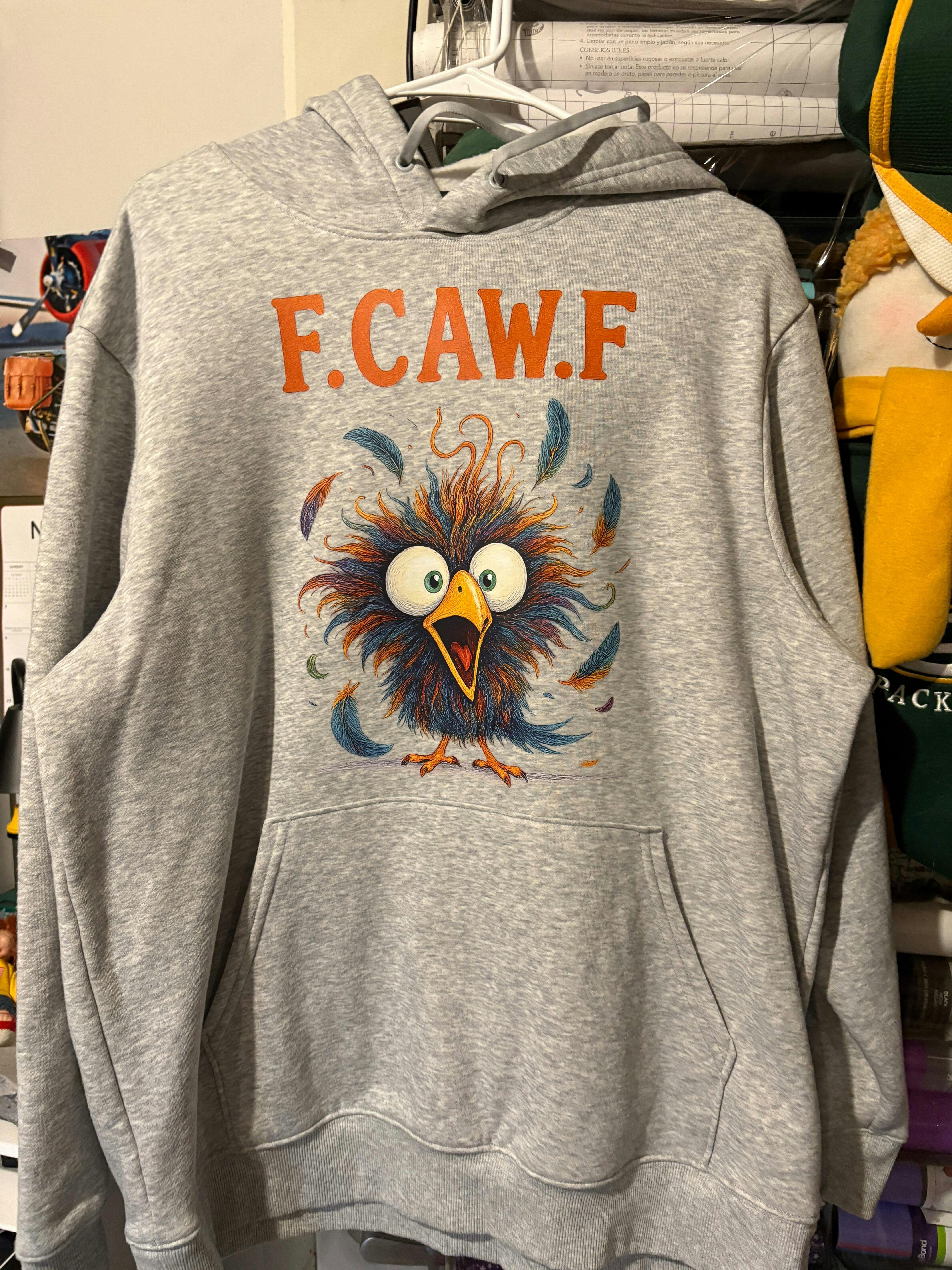
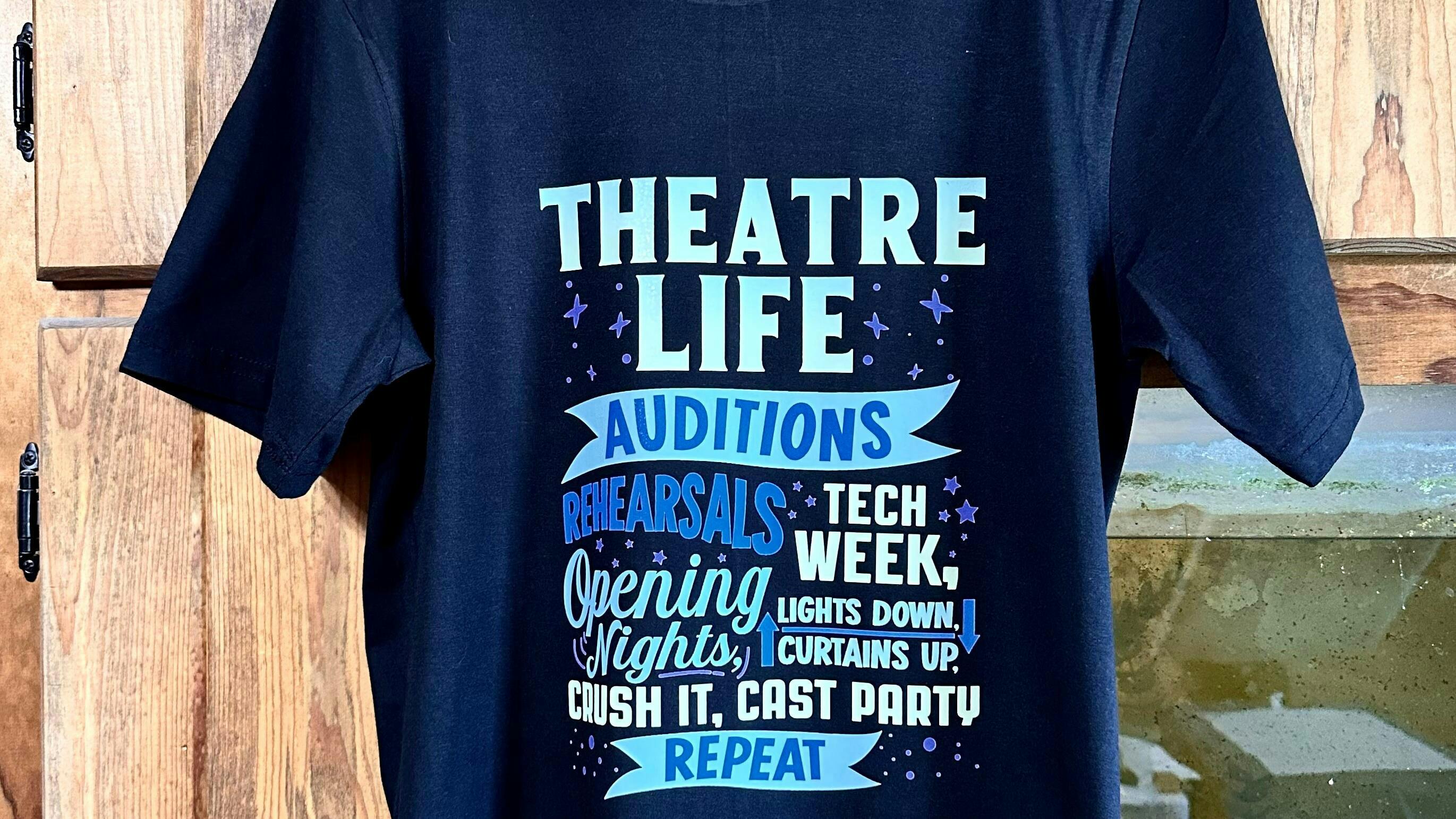
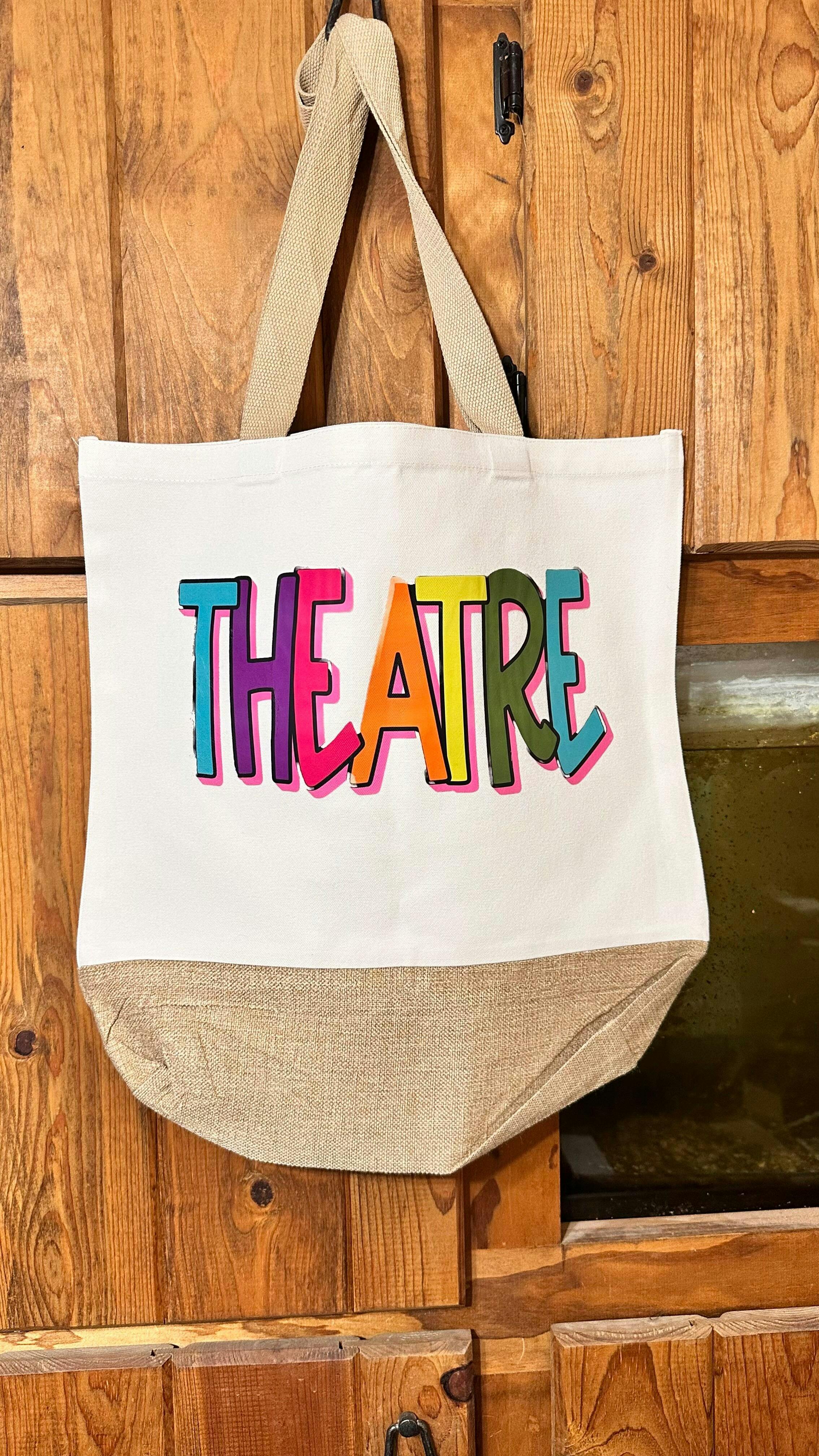
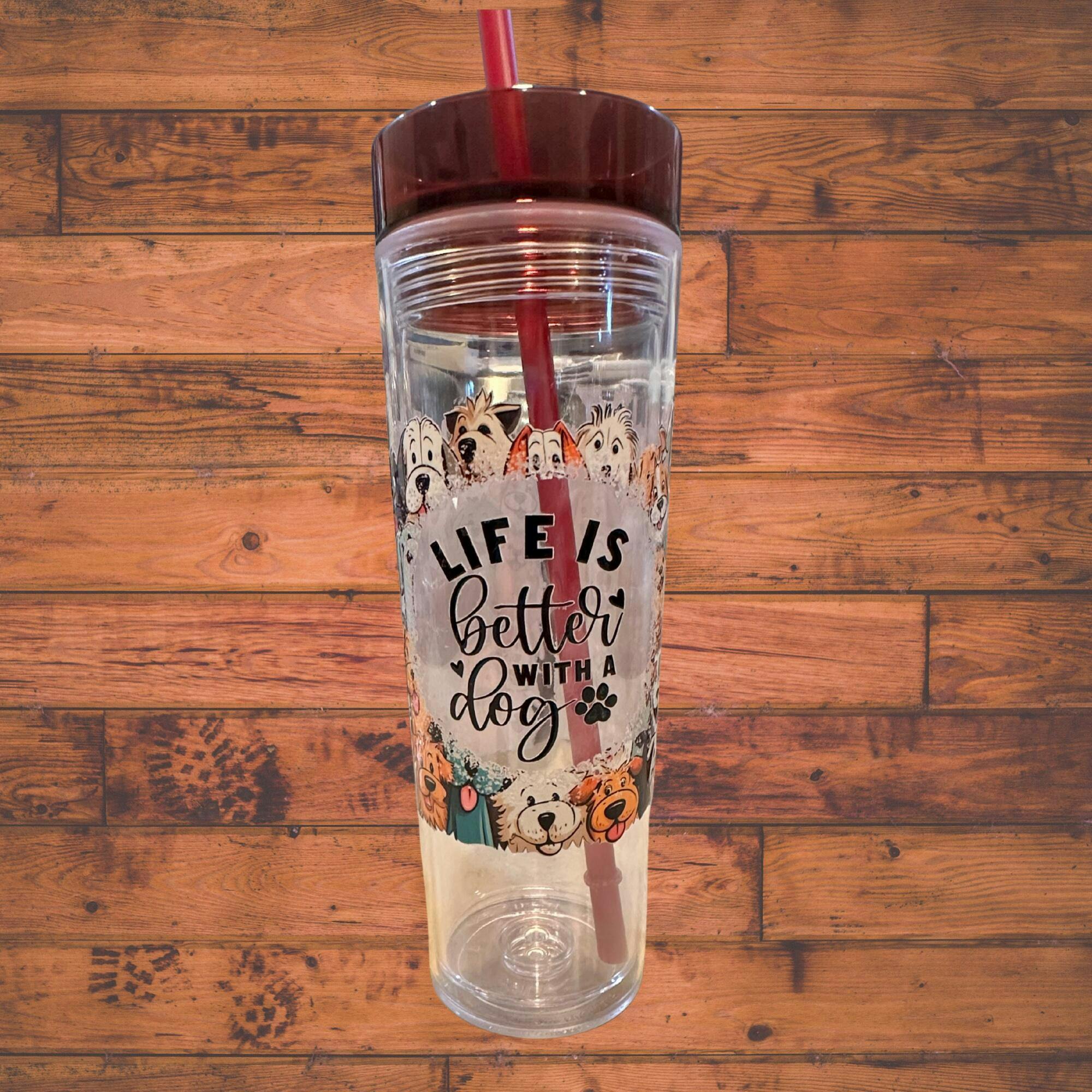
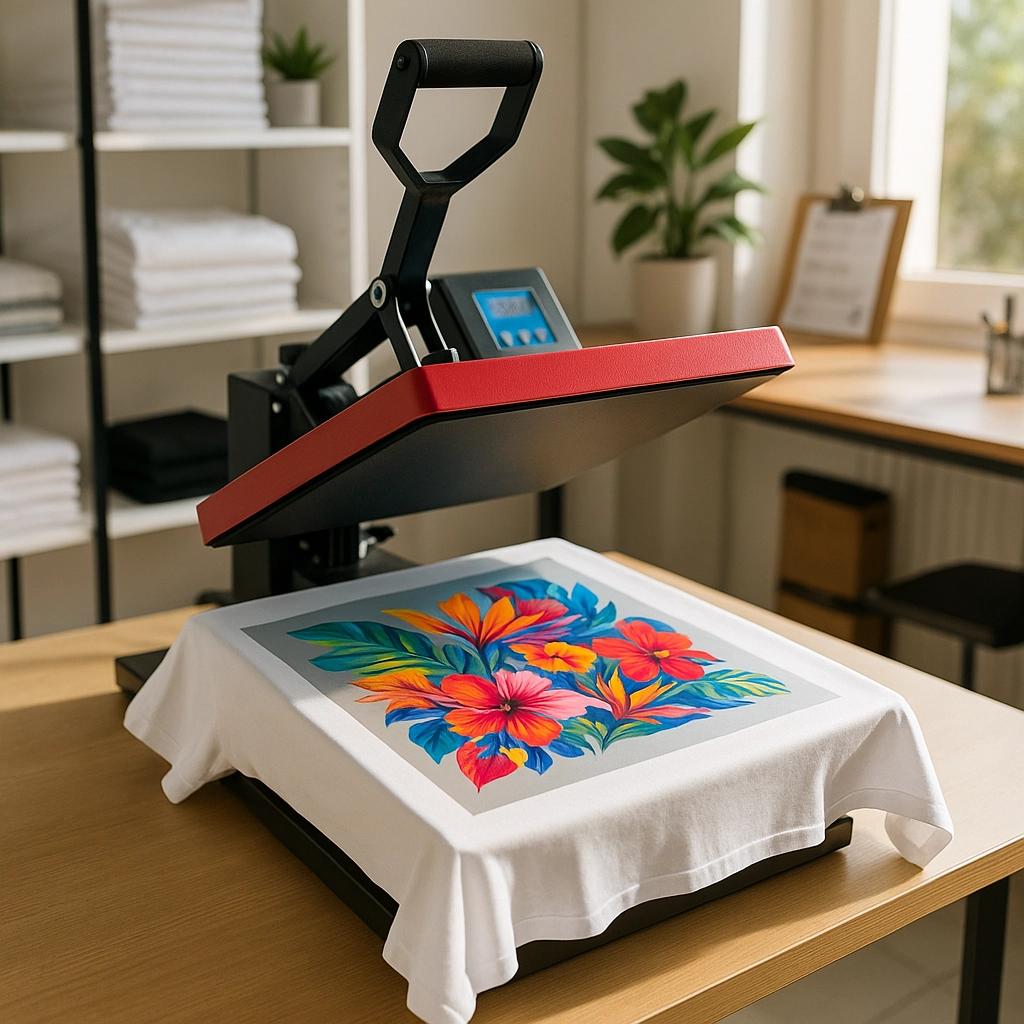
DTF printing is winning fans across the US, from creative startups to seasoned apparel brands. In commercial DTF, designs are digitally printed onto a specialized film. These vibrant transfers are then heat-pressed onto garments, delivering long-lasting, high-resolution results.
DTF Strengths for Custom Apparel
- Incredible Versatility: DTF transfers work on cotton, polyester, blends, tri-blends, performance wear, and even non-traditional materials.
- No Minimums, No Hassle: Order a single shirt or 500—commercial-grade DTF works for both, making it ideal for test runs or special editions.
- Design Freedom: Intricate, detailed artwork? Full-color photorealistic images? DTF handles them all with crisp, vivid output.
- Durability: DTF prints can last through 60+ washes without fading or cracking, rivaling screen print quality.
- Eco-Friendly Choices: Many commercial DTF transfer producers, including We Print U Press, use water-based, non-toxic inks.
Want to test drive some ready-to-press DTF designs?
Check out our best-selling Ready to Press DTF Transfers or try our custom DTF gang sheets.
DTF Cons
- Print Feel: There’s a slightly, heavier hand to DTF, especially with large solid areas. That said, the print is flexible—not stiff or rubbery.
- Medium Production Speed: Quick enough for most custom businesses, but not the highest throughput for mass retail.
- Mid-Tier Pricing: Cheaper per print than DTG for small runs, but more expensive than screen printing if you’re printing hundreds at once.
What Is DTG (Direct-to-Garment) Printing?
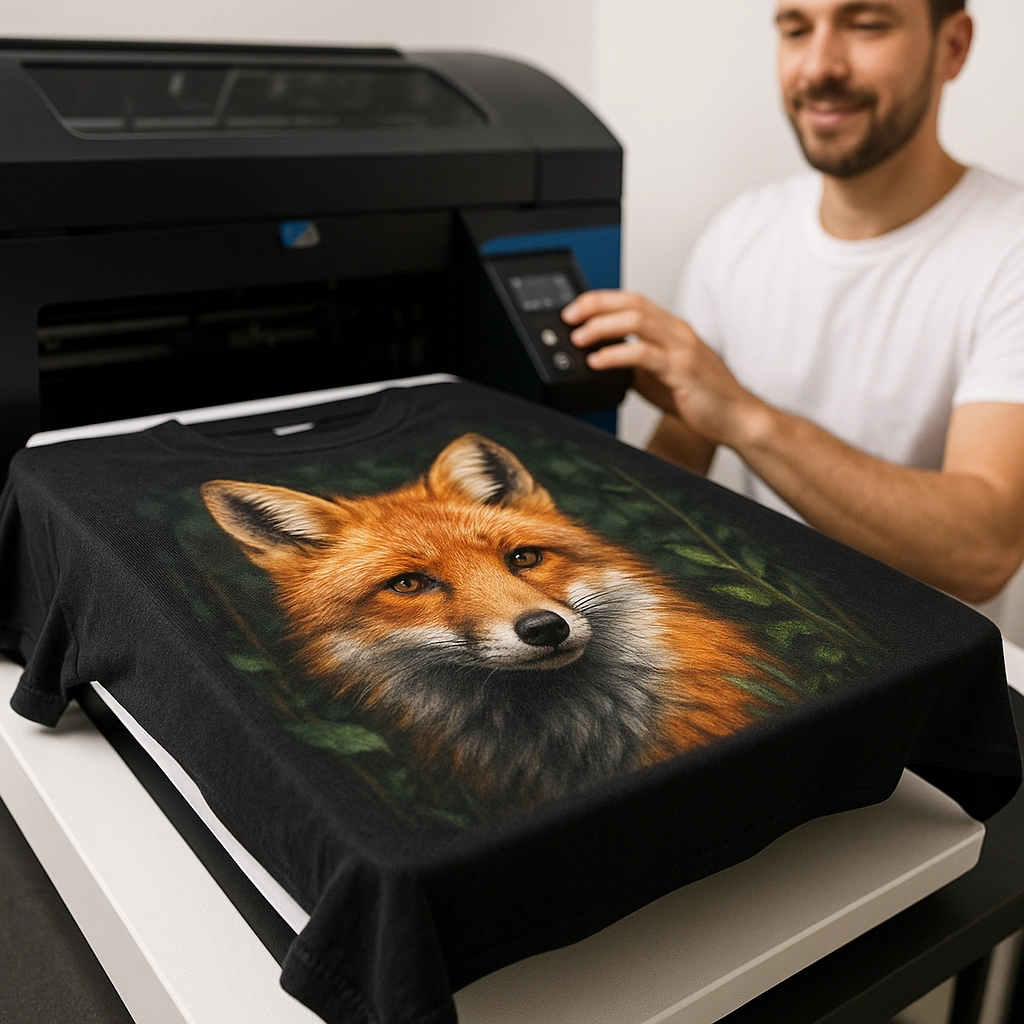
DTG is like having an inkjet printer for shirts. Commercial DTG machines jet ink directly into 100% cotton, bamboo, or linen fabric, resulting in ultra-soft, detailed prints perfect for high-end retail or boutique brands.
Where DTG Shines
- Photo-Quality Print: DTG delivers photorealistic results and subtle gradients—think Instagram-perfect designs on t-shirts or sweatshirts.
- Breathable Feel: With ink fused right into the fibers, DTG prints are soft and don’t change the hand-feel of premium cotton garments.
- No Set-Up Costs for Designs: Print one, print one hundred—or try a different look on each with no expensive screens to create.
- Perfect for Personalization: Names, local events, custom teams—DTG is ideal if you want each shirt to feel one-of-a-kind.
DTG Drawbacks
- Fabric Limitations: For best results, DTG needs high-cotton content (think 100% cotton). Polyester or blends can struggle with color accuracy and wash durability.
- Production Speed: Pretreatment and curing slow down output. Not ideal for rush jobs or high-volume screen print-style orders.
- Durability: Typically up to 50 washes before fading starts—great for fashion, but not always ideal for workwear or heavy-use items.
- Higher Cost for Large Runs: Without volume discounts, DTG loses its price advantage on quantity.
What About Screen Printing?
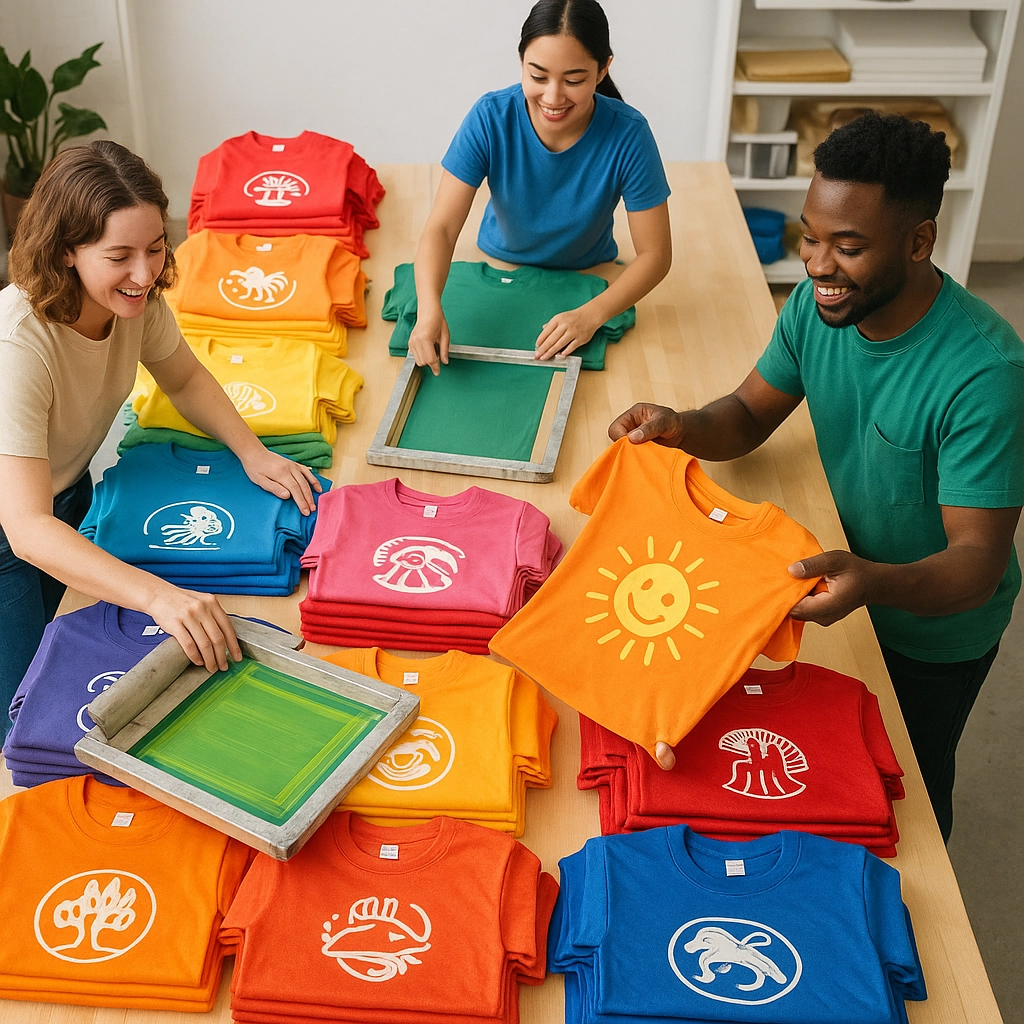
Screen printing is the OG of t-shirt printing, dominating bulk promotional and retail orders for decades. The process pushes ink through custom mesh screens for each color, producing bold, durable, and cost-effective prints.
Why Choose Screen Printing
- Bulk Discounts: Once screens are made, cost-per-shirt drops dramatically—making screen printing unbeatable for orders of 50+.
- Longevity: Properly cured screen print designs can outlast the shirt itself, easily surviving 100+ washes with no fade.
- Bold, Simple Graphics: Solid color logos, simple art, and sporting team shirts are reliably sharp and vibrant.
Tip: If you’re working with a huge group order—like school spirit wear or a large event—screen printing is a workhorse.
Screen Printing’s Downsides
- High Setup Costs: Each color in your design needs a unique screen—making small runs or multi-color designs more expensive and slower to start.
- Design/Color Limits: Intricate or photorealistic artwork can’t match DTF or DTG’s capabilities.
- Less Eco-Friendly: Traditional plastisol inks aren’t always as green as water-based DTF or DTG options.
- Not Ideal for On-Demand: Want to react to viral trends overnight? Screen printing can’t keep up with made-to-order or direct-to-customer workflows.
Detailed Comparison Table
| Factor | DTF Transfers | DTG Printing | Screen Printing |
|---|---|---|---|
| Ideal Order Size | 1-1000 (no minimums) | 1-100 (no minimums) | 50+ (best for bulk) |
| Design Complexity | Complex, full color, fine detail | Photorealistic, gradients, full color | Bold, simple, few colors |
| Fabric Compatibility | Cotton, polyester, blends, more | 100% cotton/bamboo/linen | Cotton, poly, blends |
| Durability | 60+ washes | Up to 50 washes | 100+ washes |
| Print Feel | Slight hand, flexible | Ultra-soft, natural | Varies, can be stiff |
| Speed | Medium (fast for small/med runs) | Slower, requires pretreat/curing | Very fast after setup |
| Cost | Mid-range (scales to 200 units) | Higher per piece, costly for volume | Cheapest for large volume |
| Setup Time/Costs | Low | Low | High for multiple screens |
| Eco-Friendliness | Water-based ink options | Water-based ink options | Some eco, varies by ink |
Which Printing Method Is Right for You?
The simple answer: It depends on your brand’s vision, product strategy, and growth stage. Here’s how to decide, whether you’re in Florida, the Southeast, or shipping nationwide:
1. Launching Your First Custom Line
- DTF is your friend.
- With no order minimums and support for crazy-detailed, colorful graphics on ANY fabric, you can experiment affordably and iterate fast.
- Need just five shirts, or want to test a new logo? DTF is flexible and lets you build a collection without risky bulk buys.
2. Building a Sustainable Fashion Brand (Cotton Focus)
- DTG powers high-quality, cotton-centric apparel.
- If you’re all about soft feel and fashion-forward looks, DTG is perfect. Think regional brands that care about ethical, soft, USA-style cotton shirts.
- Works best on premium blanks—your customers will notice the quality.
3. Serving Schools, Events, & Corporate Orders
- Screen printing unlocks volume profit.
- Parent-teacher orgs, festivals, sports leagues, and big local events want durable shirts at a good price.
- Screen print setup will pay off for large runs and simple cored-branding.
4. Want the Most Flexibility?
- DTF covers all the bases.
- From performance wear to one-off gifts to streetwear drops, DTF does it all—no hassle, no minimums.
- Try our custom DTF transfers for speedy Florida-based printing and nationwide shipping.
5. Need Inspiration?
- Check out trending seasonal DTF designs or browse our blog post on Why Custom Apparel for Teams Matters More Than Just a Uniform.
Final Thoughts: Mix-and-Match for Ultimate Apparel Success
Many successful t-shirt brands use more than one method! For example, use DTF or DTG for prototyping or special drops, then move proven bestsellers to screen print when orders pour in. The best method is the one that supports your creativity, business growth, and customers’ expectations.
No matter your printing needs in Florida or beyond, We Print U Press is ready to help you thrive with commercial DTF transfer technology, expert support, and fast shipping on every order.
Have questions? Reach out to us at hello@weprintupress.com or call (352) 340-4343 — we're always happy to chat t-shirts, printing, and building up the custom apparel community!